Socioeconomic analysis for economic displacement – Lima Metro Line 2
Project 4
Análisis socioeconómico del desplazamiento económico asociado a la construcción de la Línea 2 del Metro de Lima, desarrollando instrumentos para identificar, mitigar y compensar impactos sobre actividades productivas en el área de influencia.
Línea 2 del Metro de Lima, en el marco de un programa financiado por el Banco Mundial
The challenge
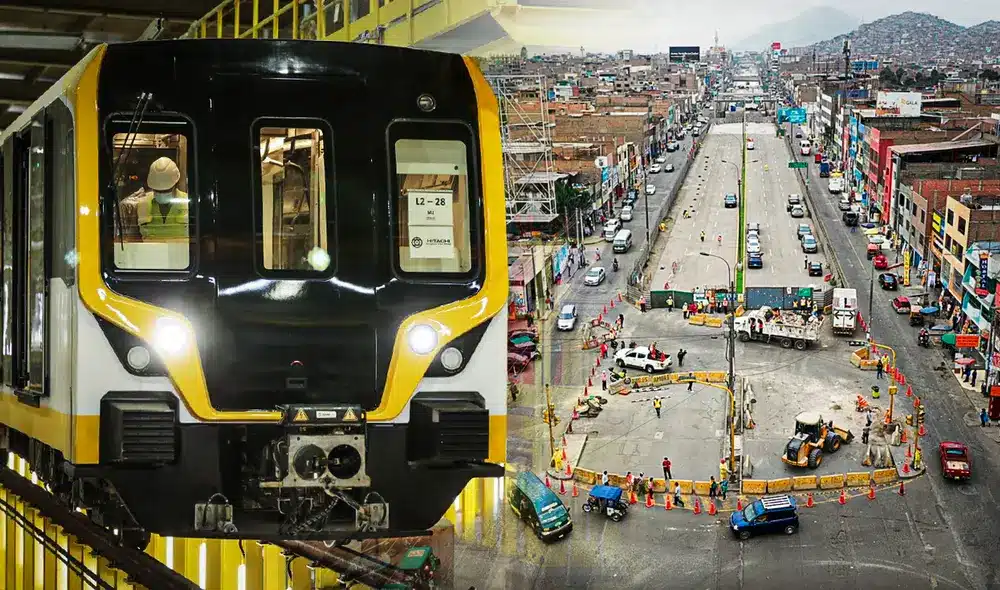
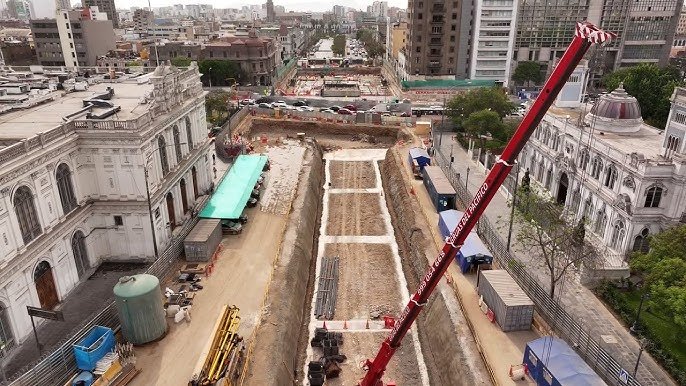
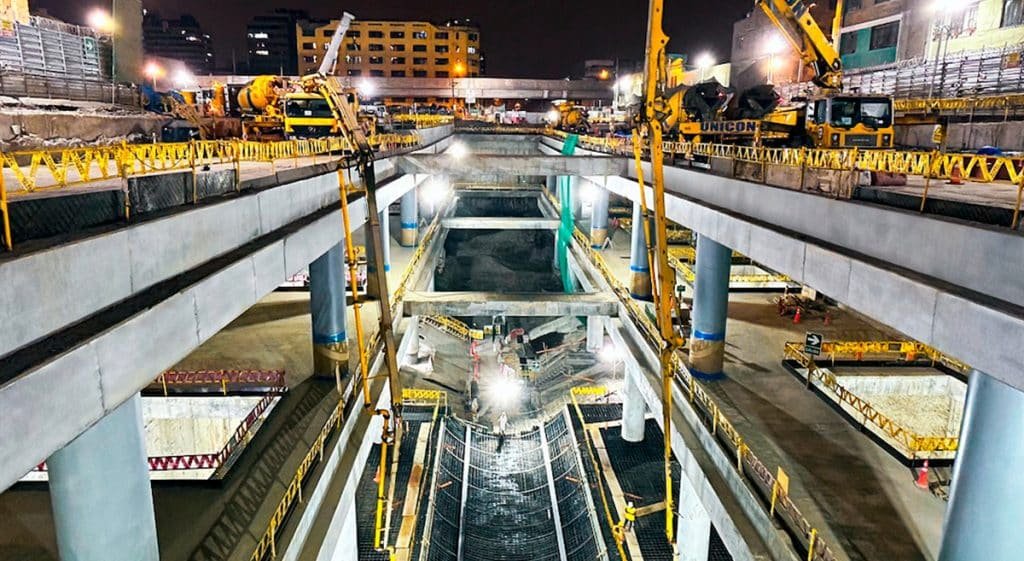
The construction of Línea 2 del Metro de Lima, one of the most important urban infrastructure projects in the country, involved intervention in densely populated areas with a strong presence of both formal and informal economic activities. In this context, it was necessary to analyze and manage the socioeconomic impacts associated with the economic displacement of businesses, services and productive activities located within the project’s area of influence. The challenge consisted of developing technical tools to identify these impacts, assess their scope and design appropriate mitigation and compensation mechanisms, in compliance with international standards applicable to infrastructure projects financed by multilateral organizations.
Our intervention
Antroproyectos carried out a specialized consultancy to analyze the socioeconomic impacts resulting from economic displacement and to design management instruments aimed at identifying, mitigating and compensating these effects in the context of the development of Línea 2 del Metro de Lima. The work enabled the structuring of technical tools to support the project’s social management and its interaction with economic activities in the territory.
Methodology
The intervention combined socioeconomic analysis of the project environment, data collection on economic activities within the area of influence, and a review of regulatory frameworks and international standards applicable to the management of economic displacement. Based on this analysis, management instruments were designed to identify impacts, assess economic effects and define mitigation and compensation mechanisms.
Results
The project generated technical tools for managing economic displacement associated with infrastructure construction, providing clear criteria to identify impacts on productive activities and to establish mitigation and compensation mechanisms aligned with international social management standards.
What we did differently
Antroproyectos approached the analysis of economic displacement from a territorial and social perspective, integrating the economic assessment of impacts with an understanding of the urban and commercial dynamics surrounding the project. This approach enabled the design of management instruments that were more realistic and applicable to complex urban contexts, facilitating more effective social management of the infrastructure project.
Generated impact
The project strengthened the capacity to manage social impacts within the Metro de Lima project by providing technical tools to anticipate and manage economic impacts on local stakeholders, contributing to a more responsible and socially viable implementation of the urban infrastructure.